Protect your entire body on every ride
Don’t let a 15 minute ride become a 12 month recovery. In a motorcycle crash, casual clothes only protect your body for a split second. You are less likely to be admitted to hospital after a crash if you are wearing protective clothing.
Got the gear? Ride with it.
Find out more about protective clothing
(motorcycle engine revving)
(tires screeching)
- [Narrator] At this very moment, the rider is protected.
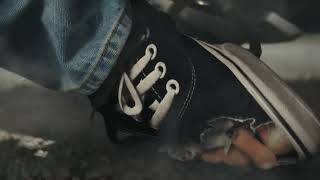
But it only takes 0.03 seconds for the sneaker to burst.
0.6 seconds for the jeans to disintegrate.
Then, like a human crayon, his flesh is shredded
by the coarse bitumen.
(rider gasping)
- People who ride motorcycles and scooters are among the most vulnerable road users in a crash.
- The number of motorcycles and motorcycle riders has increased over the years, however motorcycles still only make up around 4% of registered vehicles and around 9% of all Victorian vehicle licence/permit holders are motorcycle licence/permit holders. Despite this, in the last five years riders accounted for around 20% of deaths and 17% of serious injuries on our roads.
- Each year in Victoria around 1,000 people are seriously injured in motorcycle crashes, and in the last five years, an average of 45 motorcycle riders were killed.
- In 2024, 63 motorcycle riders died on our roads
- Around 55% of motorcyclist deaths in the last five years involved other vehicles.
- Just over half occur at intersections (54%)
- Three in ten (31%) are head on/overtaking type crashes
- Men make up 94% of motorcyclist deaths.
- People riding motorcycles are more vulnerable as they don’t have the protection a vehicle provides in a crash.
- When you wear protective clothing, you are much less likely to be seriously injured in a crash.
- If you are riding a motorcycle with ABS, you are less likely to have a serious crash.

All the gear. All the time.
It's important to wear your protective motorcycle clothing for every ride, no matter what the weather is or how long the ride is.
Abrasion-resistant materials help riders avoid cuts, gravel rash, and friction burns from contact with the road. Protecting your skin can also reduce possible medical complications from infections.
Your gear is an investment in your own skin that can stop you from being shredded by bitumen. Know what to look for in gear and buy the safest you can afford.
Safety gear for street riding includes a helmet (a legal requirement in Australia), a jacket with armour, pants with armour, boots, and gloves. A full-face helmet gives the best protection.
Pants
Protective pants shield skin when sliding across asphalt, guard against cuts and gashes on impact, and reduce the risk of burns from the engine and exhaust pipe.
If you crash at 80km/h, protective pants that are highly rated by MotoCAP can protect you for the 3.1 second crash time. Casual (non-protective jeans) only protect you for 0.6 seconds in a crash at 80km/h.


Jacket
A jacket protects your arms and torso from abrasion. Impact protectors (body armour) in the elbows and shoulders of the jacket can help to reduce the likelihood of fractures to these joints.
If you crash at 60km/h, a jacket that is highly rated by MotoCAP can protect you for the 2.37 second crash time. A casual hoodie will only protect you for 0.03 seconds before its seams burst open, exposing your skin.
Gloves
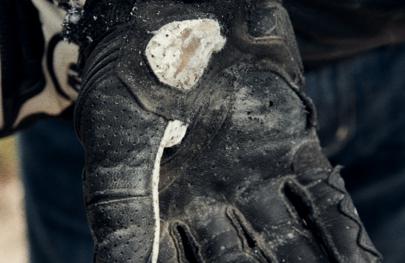
Motorcycle gloves protect your hands from abrasion and cuts if they contact the road. A secure fastening mechanism above the wrist will keep the gloves on your hands and impact protectors on the knuckles help shield them.
If you crash at 80km/h, gloves that are highly rated by MotoCAP can protect your hands for the 3.3 second crash time.
Protection from head to toe
When you ride make sure you protect your entire body.
Your helmet should be full-face design covering the brain, face and jaw. A light-coloured helmet and clothing increases your chances of being seen. Check the safety rating of your helmet at MotoCAP.
Boots that cover the ankle and are specifically designed for motorcycle and scooter riding will always be the best investment for your feet. They’ll guard against the severe abrasion, burns, gashes and fractures you face in a crash.
In a crash at 60km/h a pair of sneakers will protect your skin for 0.03 seconds before bursting open and exposing your skin to the road.
Find the gear you need to keep you safe at MotoCAP

Travelling by motorcycle or scooter can be enjoyable however it's important to know how to protect yourself and any pillion passengers before you ride.
If you ride a motorcycle, you can increase your safety on the road by:
- wearing your protective clothing every time you ride. Buy the safest gear you can afford and ensure your helmet is up to scratch.
- making yourself visible by wearing light-coloured clothing or reflective gear
- purchasing a motorcycle with Anti-Lock Braking System (ABS) or Cornering-ABS
- riding within the speed limit
- staying up to date with the latest gear, news and tips by visiting the Spokes website and signing up for the Spokes newsletter.
If you’re a driver, you can avoid a crash with a person on a motorcycle by:
- being aware of people riding motorcycles on the road
- looking and looking again for motorcycles at intersections
- always doing a head check before changing lanes.
- People who ride motorcycles and scooters are among the most vulnerable road users in a crash.
- The number of motorcycles and motorcycle riders has increased over the years, however motorcycles still only make up around 4% of registered vehicles and around 9% of all Victorian vehicle licence/permit holders are motorcycle licence/permit holders. Despite this, in the last five years riders accounted for around 20% of deaths and 17% of serious injuries on our roads.
- Each year in Victoria around 1,000 people are seriously injured in motorcycle crashes, and in the last five years, an average of 45 motorcycle riders were killed.
- In 2024, 63 motorcycle riders died on our roads
- Around 55% of motorcyclist deaths in the last five years involved other vehicles.
- Just over half occur at intersections (54%)
- Three in ten (31%) are head on/overtaking type crashes
- Men make up 94% of motorcyclist deaths.
- People riding motorcycles are more vulnerable as they don’t have the protection a vehicle provides in a crash.
- When you wear protective clothing, you are much less likely to be seriously injured in a crash.
- If you are riding a motorcycle with ABS, you are less likely to have a serious crash.
All the gear. All the time.
It's important to wear your protective motorcycle clothing for every ride, no matter what the weather is or how long the ride is.
Abrasion-resistant materials help riders avoid cuts, gravel rash, and friction burns from contact with the road. Protecting your skin can also reduce possible medical complications from infections.
Your gear is an investment in your own skin that can stop you from being shredded by bitumen. Know what to look for in gear and buy the safest you can afford.
Safety gear for street riding includes a helmet (a legal requirement in Australia), a jacket with armour, pants with armour, boots, and gloves. A full-face helmet gives the best protection.
Pants
Protective pants shield skin when sliding across asphalt, guard against cuts and gashes on impact, and reduce the risk of burns from the engine and exhaust pipe.
If you crash at 80km/h, protective pants that are highly rated by MotoCAP can protect you for the 3.1 second crash time. Casual (non-protective jeans) only protect you for 0.6 seconds in a crash at 80km/h.
Jacket
A jacket protects your arms and torso from abrasion. Impact protectors (body armour) in the elbows and shoulders of the jacket can help to reduce the likelihood of fractures to these joints.
If you crash at 60km/h, a jacket that is highly rated by MotoCAP can protect you for the 2.37 second crash time. A casual hoodie will only protect you for 0.03 seconds before its seams burst open, exposing your skin.
Gloves
Motorcycle gloves protect your hands from abrasion and cuts if they contact the road. A secure fastening mechanism above the wrist will keep the gloves on your hands and impact protectors on the knuckles help shield them.
If you crash at 80km/h, gloves that are highly rated by MotoCAP can protect your hands for the 3.3 second crash time.
Protection from head to toe
When you ride make sure you protect your entire body.
Your helmet should be full-face design covering the brain, face and jaw. A light-coloured helmet and clothing increases your chances of being seen. Check the safety rating of your helmet at MotoCAP.
Boots that cover the ankle and are specifically designed for motorcycle and scooter riding will always be the best investment for your feet. They’ll guard against the severe abrasion, burns, gashes and fractures you face in a crash.
In a crash at 60km/h a pair of sneakers will protect your skin for 0.03 seconds before bursting open and exposing your skin to the road.
Find the gear you need to keep you safe at MotoCAP
Travelling by motorcycle or scooter can be enjoyable however it's important to know how to protect yourself and any pillion passengers before you ride.
If you ride a motorcycle, you can increase your safety on the road by:
- wearing your protective clothing every time you ride. Buy the safest gear you can afford and ensure your helmet is up to scratch.
- making yourself visible by wearing light-coloured clothing or reflective gear
- purchasing a motorcycle with Anti-Lock Braking System (ABS) or Cornering-ABS
- riding within the speed limit
- staying up to date with the latest gear, news and tips by visiting the Spokes website and signing up for the Spokes newsletter.
If you’re a driver, you can avoid a crash with a person on a motorcycle by:
- being aware of people riding motorcycles on the road
- looking and looking again for motorcycles at intersections
- always doing a head check before changing lanes.